

Patellar Tendonitis Treatment: How Shockwave Therapy Heals Jumper’s Knee
Stop letting knee pain dictate your activity level. If you suffer from the chronic, debilitating pain of Patellar Tendonitis, the team at South Texas Spine and Joint Institute offers a non-surgical, regenerative path to recovery.
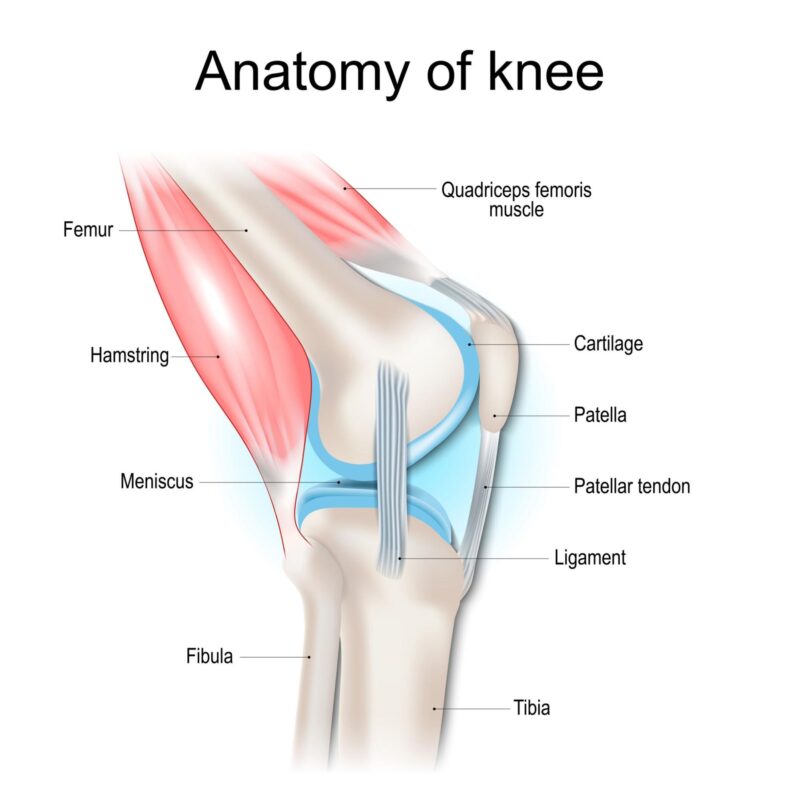
Patellar tendonitis, often known as “Jumper’s Knee,” is a condition familiar to athletes, runners, and anyone whose activities involve repetitive jumping, kicking, or pivoting. The pain—a nagging ache or sharp sting just below the kneecap—is caused by tiny tears and chronic inflammation in the tendon that connects your kneecap (patella) to your shinbone (tibia).
For months, you may have tried rest, ice, stretching, and anti-inflammatory drugs. Perhaps you’ve been told the only remaining options are risky corticosteroid injections or invasive surgery. But Patellar Tendonitis is a tricky condition because the damaged tissue is often stuck in a cycle of failed healing. Your body tries to fix the micro-tears, but poor blood flow to the tendon prevents true, long-lasting repair.
At South Texas Spine and Joint Institute, we understand this frustration. We specialize in advanced, regenerative solutions designed to interrupt the chronic pain cycle and restart your body’s natural healing processes. Our leading solution for chronic tendon pain is Extracorporeal Shockwave Therapy (ESWT), a powerful, non-surgical treatment that focuses energy exactly where your body needs it most.
The Patellar Tendonitis Paradox: Why Rest Isn’t Enough
The patellar tendon is a crucial structure that handles enormous loads, especially during deceleration and propulsion. When it becomes chronically inflamed—a state known as tendinosis (meaning tissue degeneration, not just inflammation)—it enters a painful paradox:
- Low Blood Flow: Tendons naturally have poor vascularization (blood flow) compared to muscles. This makes natural healing slow.
- Scar Tissue Formation: The body tries to patch the micro-tears with weak, disorganized scar tissue rather than strong, new collagen fibers.
- Mechanical Stress: Even small daily activities place stress on this weakened tissue, preventing the disorganized tissue from maturing into healthy tendon fiber.
Traditional remedies like R.I.C.E. or ibuprofen are designed to stop acute inflammation, but they do nothing to address the structural degeneration. What the tendon truly needs is a powerful signal to regenerate—to produce new blood vessels and new, robust collagen. This is precisely what Shockwave Therapy delivers.
The Regenerative Power of Shockwave Therapy for Tendons
Extracorporeal Shockwave Therapy (ESWT) uses controlled, high-energy acoustic waves to treat musculoskeletal pain. When applied directly to the site of the damaged patellar tendon, the waves trigger a cascade of biological responses that restore the healing process:
1. Neovascularization: Flooding the Zone with Healing Resources
The acoustic waves create controlled micro-trauma at the tendon insertion point. The body interprets this trauma as acute injury and responds by rapidly increasing the local blood supply. This process, called neovascularization, creates new capillaries and blood vessels, effectively “flooding the zone” with the essential oxygen, nutrients, and growth factors necessary for true tissue repair.
2. Collagen Synthesis and Remodeling
Patellar tendonitis is characterized by weak, disorganized collagen fibers. ESWT stimulates fibroblasts—the cells responsible for producing collagen—forcing them to lay down new, healthy fibers in an organized, structured pattern. This process gradually remodels the damaged, painful tendinosis into strong, functional tendon tissue, resolving the pain at its structural source.
3. Immediate and Long-Term Pain Relief
The shockwaves provide two stages of pain relief. First, the intense acoustic energy over-stimulates the pain receptors in the immediate area, offering a quick reduction in sensitivity. Second, and more importantly, by restoring proper blood flow and eliminating dysfunctional tissue, ESWT addresses the structural pathology, providing lasting relief that far outlasts temporary fixes.
What Makes Patellar Tendonitis Cases Complex?
While the injury itself seems straightforward, Patellar Tendonitis often resists healing because it is rarely just a local tendon problem. It is usually a symptom of a larger biomechanical issue, which is why a specialized clinic like South Texas Spine and Joint Institute is essential.
We look for hidden factors such as:
- Foot and Ankle Biomechanics: Overpronation (flat feet) or excessive supination can put rotational stress on the knee and overload the patellar tendon.
- Hip and Glute Weakness: Weak gluteal muscles cause the leg to internally rotate during movement, forcing the patella out of its proper track and placing massive, unequal load on the tendon.
- Spinal Alignment: Misalignment in the lower back (lumbar spine) can disrupt the nerve signals controlling the leg muscles, leading to muscle imbalance and chronic strain on the knee.
If we only treat the tendon, the root cause will eventually lead to recurrence. Our integrated approach addresses the tendon structurally with ESWT while correcting the underlying biomechanical faults.
The South Texas Spine and Joint Institute Treatment Protocol
At our institute, Shockwave Therapy is not a standalone service; it is a critical component of a comprehensive treatment plan tailored to your specific condition and activity level.
1. Comprehensive Diagnostic Assessment
We begin with a thorough examination, including orthopedic tests and functional movement screenings. We don’t just palpate the painful area; we assess your entire kinetic chain—from your feet to your spine—to identify all contributing factors to the tendon overload. This diagnosis informs the precise targeting of the ESWT treatment.
2. Precision Shockwave Delivery
Our specialists use the ESWT device to deliver targeted acoustic pulses directly to the most damaged, painful portion of the patellar tendon. Treatments are fast, typically lasting 5 to 10 minutes, and are performed in our clinic without anesthesia. A typical course involves several sessions over a few weeks.
3. Integrated Corrective Rehabilitation
Following ESWT, the tendon is primed for healing. We then introduce corrective physical therapies, including specific strengthening exercises for the hips and glutes, and targeted stretching to improve the flexibility of the quadriceps and hamstrings. This combination ensures the newly regenerated tendon tissue is conditioned to handle normal loads and prevents future relapse.
4. Chiropractic and Joint Alignment
Correcting spinal or pelvic subluxations that contribute to abnormal gait or muscle firing patterns is crucial for long-term knee health. Our chiropractors integrate adjustments to ensure proper nerve communication and structural alignment, reducing undue stress on the recovering patellar tendon.
Reclaim Your Activity: Life After Patellar Tendonitis
Imagine returning to your favorite activities—whether it’s running the trails of South Texas, competing in sports, or simply being able to climb stairs without wincing—free from the chronic, limiting pain of Jumper’s Knee.
Shockwave Therapy provides the non-surgical opportunity to achieve this. It is safe, highly effective, and avoids the risks associated with surgery and the temporary nature of pain medication. It represents the future of orthopedic and joint care by making your body heal itself.
If you are struggling with persistent pain, failed prior treatments, or the thought of surgery, contact South Texas Spine and Joint Institute today. Let our experts develop a tailored plan that utilizes the regenerative power of Shockwave Therapy to restore your full function and get you back in the game.